Don't miss our holiday special offers—up to 20% off!
Don't miss our holiday special offers—up to 20% off!

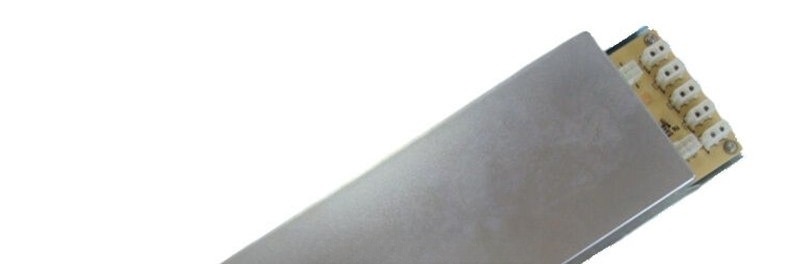
Embedded machine PCs die from bad power decisions more often than bad software. When a supply must be replaced, spec it in this order.
Confirm the bay physically accepts the replacement: proprietary low-profile formats and standard shapes are not interchangeable. Measure depth including connector overhang, and check whether mounting holes align or brackets are needed.
24/7 duty means continuous load ratings, not peak marketing watts. Verify over-current, over-voltage and short protection, and require stable output during motor-start sag from sibling devices — the classic cause of mid-transaction reboots. Lockout/tagout discipline during PSU swaps is not optional; the OSHA electrical-safety guidance is the baseline any competent technician works to.
A supply that needs a screwdriver and a harness rebuild every swap will be bypassed by tired technicians. Prefer tool-free or single-bracket access where the machine allows.
RMG stocks embedded-class supplies for the common cash-machine platforms with rail specs documented up front. Upstream, decide the whole power chain together: the UPS and surge design guide and the cabinet environment rules set the conditions any supply must survive — the full set lives in the RMG Knowledge Base.
We use cookies to improve your experience on our site. By using our site, you consent to cookies.
Manage your cookie preferences below:
Essential cookies enable basic functions and are necessary for the proper function of the website.
These cookies are needed for adding comments on this website.
Google's current Sign in with Google client library. It renders the Google sign-in button, or the One Tap prompt, so visitors can log in to your site with their Google account. It replaces the older Google Sign-In platform library.
Service URL: policies.google.com (opens in a new window)
These cookies are used for managing login functionality on this website.
Statistics cookies collect information anonymously. This information helps us understand how visitors use our website.
Google Analytics is a powerful tool that tracks and analyzes website traffic for informed marketing decisions.
Service URL: policies.google.com (opens in a new window)
SourceBuster is used by WooCommerce for order attribution based on user source.
You can find more information in our Cookie Policy and Privacy Policy.


