Don't miss our holiday special offers—up to 20% off!
Don't miss our holiday special offers—up to 20% off!

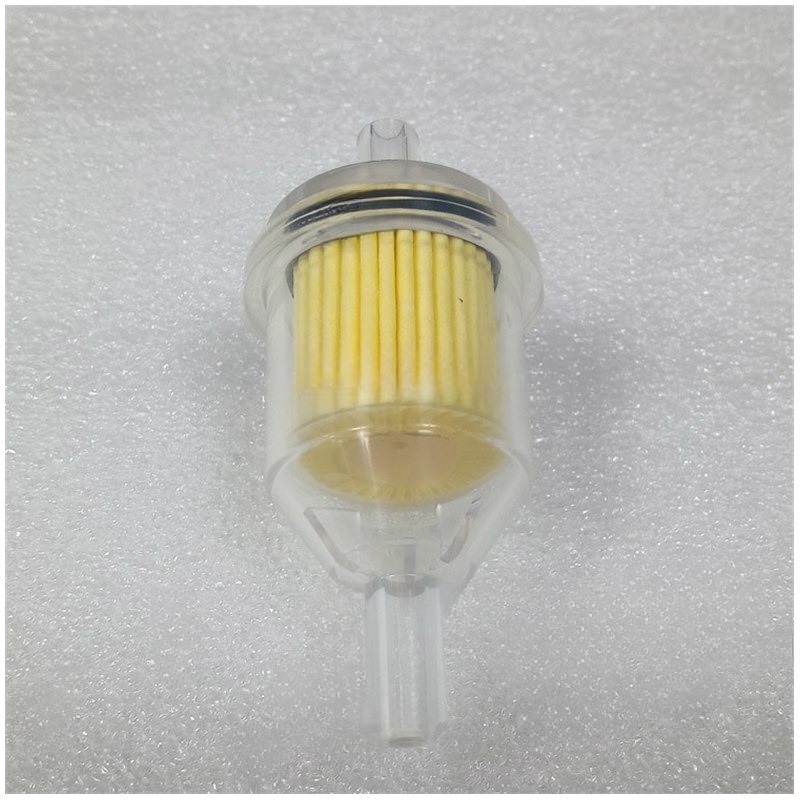
Machines do not fail in weather reports — they fail in cabinet microclimates. Three enemies dominate, and each has an early signature.
Condensation forms inside cabinets on temperature swings, not just in rain. Corroded connector pins and “mysterious” intermittent read faults follow damp seasons. Desiccant packs and a sealed cable entry defeat most of it; check that gland plates are actually gasketed after any service visit. The building-services discipline behind acceptable indoor humidity bands is codified by ASHRAE standards — the same physics, one cabinet at a time.
A minimum/maximum thermometer inside the cabinet costs less than one service call and tells you whether the environment — not the electronics — has been the real culprit all quarter.
Turn these checks into a rotation with the preventive calendar; spare-part storage rules live in the receiving-inspection guide, and heat-sensitive standby gear is covered by the UPS placement rules.
We use cookies to improve your experience on our site. By using our site, you consent to cookies.
Manage your cookie preferences below:
Essential cookies enable basic functions and are necessary for the proper function of the website.
These cookies are needed for adding comments on this website.
Google's current Sign in with Google client library. It renders the Google sign-in button, or the One Tap prompt, so visitors can log in to your site with their Google account. It replaces the older Google Sign-In platform library.
Service URL: policies.google.com (opens in a new window)
These cookies are used for managing login functionality on this website.
Statistics cookies collect information anonymously. This information helps us understand how visitors use our website.
Google Analytics is a powerful tool that tracks and analyzes website traffic for informed marketing decisions.
Service URL: policies.google.com (opens in a new window)
SourceBuster is used by WooCommerce for order attribution based on user source.
You can find more information in our Cookie Policy and Privacy Policy.


