Don't miss our holiday special offers—up to 20% off!
Don't miss our holiday special offers—up to 20% off!

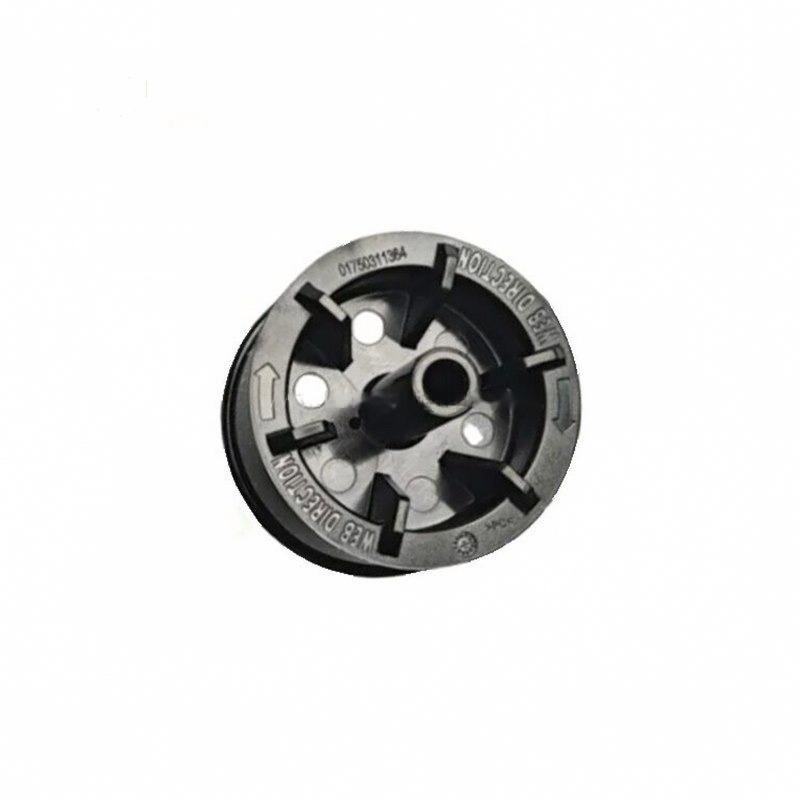
Two very different failure modes idle spare-parts programs: cartons that arrive damaged, and cartons that arrive stuck. Handling them is a packaging job and a documents job — separately.
Battery-class freight moves on regulated schedules; quote yourself the slower lane, not the fastest. The consignment that lands late beats the one that lands held.
RMG packs and documents parts consignments worldwide with these lists. The inbound half of the same chain is the receiving-inspection routine, and shelf-life rules for heat-sensitive cells sit in the cabinet environment guide, within the wider RMG Knowledge Base.
We use cookies to improve your experience on our site. By using our site, you consent to cookies.
Manage your cookie preferences below:
Essential cookies enable basic functions and are necessary for the proper function of the website.
These cookies are needed for adding comments on this website.
Google's current Sign in with Google client library. It renders the Google sign-in button, or the One Tap prompt, so visitors can log in to your site with their Google account. It replaces the older Google Sign-In platform library.
Service URL: policies.google.com (opens in a new window)
These cookies are used for managing login functionality on this website.
Statistics cookies collect information anonymously. This information helps us understand how visitors use our website.
Google Analytics is a powerful tool that tracks and analyzes website traffic for informed marketing decisions.
Service URL: policies.google.com (opens in a new window)
SourceBuster is used by WooCommerce for order attribution based on user source.
You can find more information in our Cookie Policy and Privacy Policy.


