Don't miss our holiday special offers—up to 20% off!
Don't miss our holiday special offers—up to 20% off!

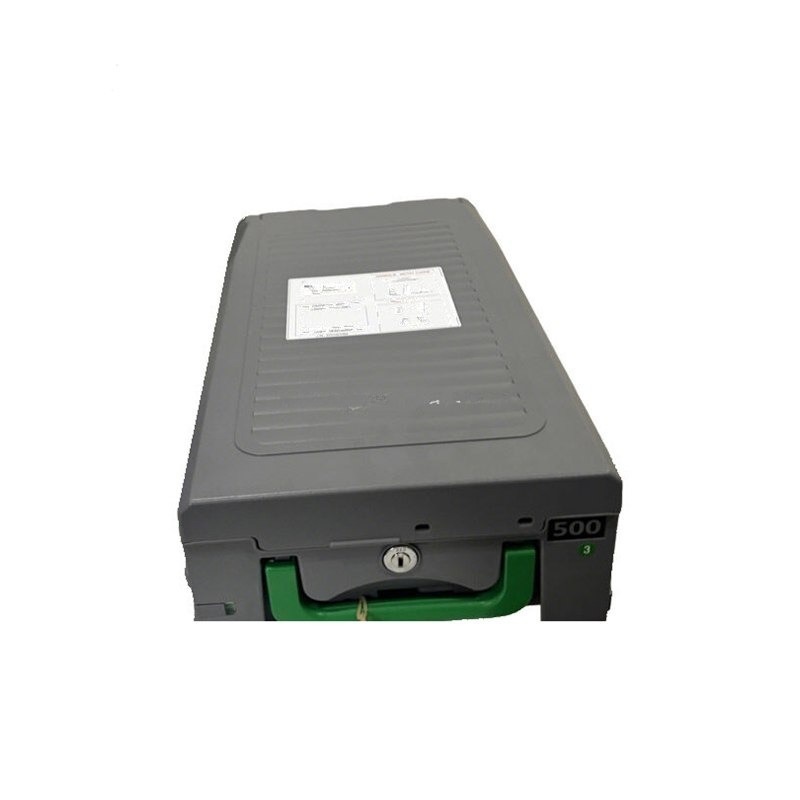
Coin handling looks mechanically simple, which is why operators under-maintain it. The three failure families below account for most coin-path downtime.
Denomination sorters rely on calibrated gates. When one diameter starts mis-sorting, check gate wear and fastener position before blaming electronics — mechanical drift is more common than board failure.
Keep one spare gate assembly and sensor set on the shelf; both are inexpensive, and running out turns a five-minute fix into a weekend outage. The coin path shares its failure drivers with the whole cabinet — read the environment-control guide and fold both into the preventive calendar; more cash-handling upkeep lives in the RMG Knowledge Base.
We use cookies to improve your experience on our site. By using our site, you consent to cookies.
Manage your cookie preferences below:
Essential cookies enable basic functions and are necessary for the proper function of the website.
These cookies are needed for adding comments on this website.
Google's current Sign in with Google client library. It renders the Google sign-in button, or the One Tap prompt, so visitors can log in to your site with their Google account. It replaces the older Google Sign-In platform library.
Service URL: policies.google.com (opens in a new window)
These cookies are used for managing login functionality on this website.
Statistics cookies collect information anonymously. This information helps us understand how visitors use our website.
Google Analytics is a powerful tool that tracks and analyzes website traffic for informed marketing decisions.
Service URL: policies.google.com (opens in a new window)
SourceBuster is used by WooCommerce for order attribution based on user source.
You can find more information in our Cookie Policy and Privacy Policy.


