Don't miss our holiday special offers—up to 20% off!
Don't miss our holiday special offers—up to 20% off!

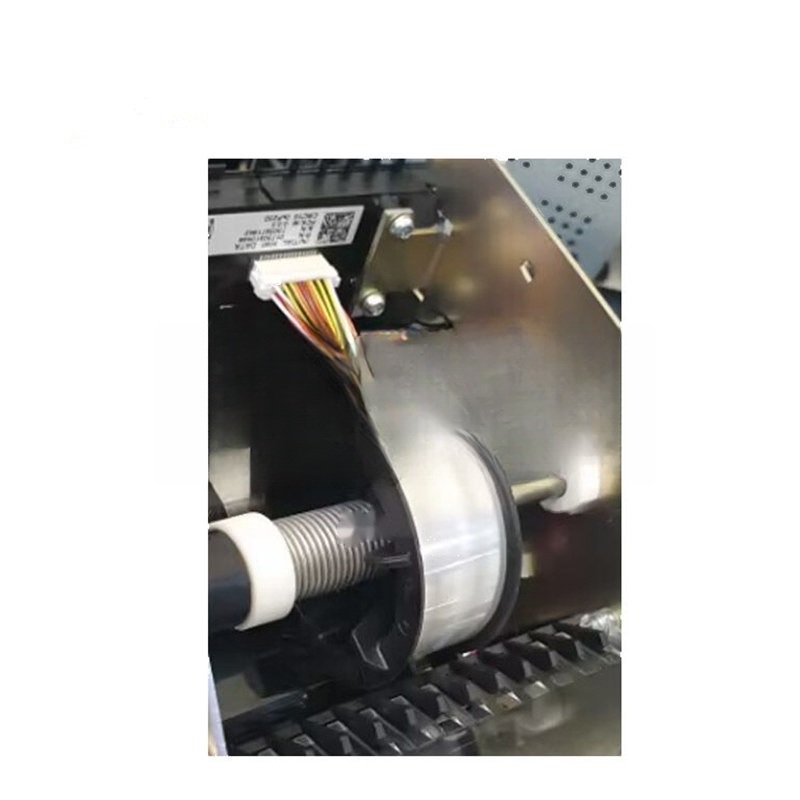
Every cash-handling machine answers one structural question: does deposited cash come back out to other customers, or is it stored untouched? That single decision shapes maintenance, security and reconciliation across the whole deployment.
Recycler machines show double-duty wear: transport belts and diverters cycle far more per day than in simple deposit units, so belt and diverter solenoids are first-order spares. Escrow-centric deposit units fail mostly at the note path optics — dust management is their whole hygiene plan.
Whichever design you run, keep the two log books separate: cash events (deposits, payouts) and error events (rejects, jams). Correlating them is how technicians find the one note denomination that a worn sensor path misreads only under humidity. Pair this guide with validator reject triage and how dispensers move the stack, or browse everything in the RMG Knowledge Base.
We use cookies to improve your experience on our site. By using our site, you consent to cookies.
Manage your cookie preferences below:
Essential cookies enable basic functions and are necessary for the proper function of the website.
These cookies are needed for adding comments on this website.
Google's current Sign in with Google client library. It renders the Google sign-in button, or the One Tap prompt, so visitors can log in to your site with their Google account. It replaces the older Google Sign-In platform library.
Service URL: policies.google.com (opens in a new window)
These cookies are used for managing login functionality on this website.
Statistics cookies collect information anonymously. This information helps us understand how visitors use our website.
Google Analytics is a powerful tool that tracks and analyzes website traffic for informed marketing decisions.
Service URL: policies.google.com (opens in a new window)
SourceBuster is used by WooCommerce for order attribution based on user source.
You can find more information in our Cookie Policy and Privacy Policy.


